ADHD Treatment Options
Multiple approaches to manage ADHD: medication, therapy, and lifestyle strategies
Comprehensive Treatment Plans
Effective ADHD treatment is personalized. Most people benefit from a combination of approaches tailored to their specific needs, lifestyle, and preferences.
Our specialists work with you to explore all options and find the treatment plan that helps you thrive.
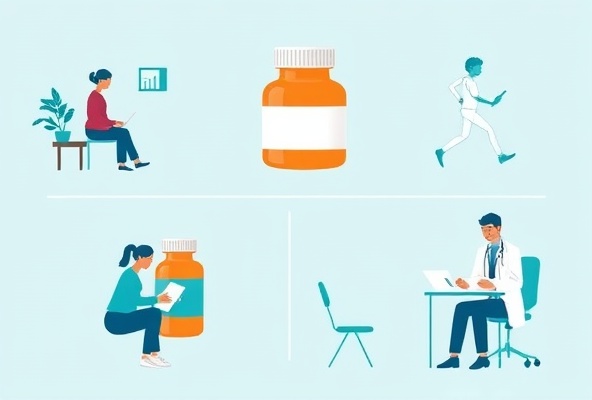
Medication Management
Medications are often an important part of ADHD treatment, helping improve focus, reduce impulsivity, and manage symptoms
Stimulant Medications
The most commonly prescribed ADHD medications. They work by increasing dopamine and norepinephrine in the brain, improving focus and attention.
Amphetamine-Based:
- • Adderall (amphetamine/dextroamphetamine)
- • Vyvanse (lisdexamfetamine)
- • Dexedrine (dextroamphetamine)
Methylphenidate-Based:
- • Ritalin (methylphenidate)
- • Concerta (extended-release methylphenidate)
- • Daytrana (methylphenidate patch)
Non-Stimulant Medications
For patients who don't respond well to stimulants or prefer alternatives. These work through different mechanisms to improve attention.
Common Non-Stimulants:
- • Atomoxetine (Strattera)
- • Guanfacine (Intuniv)
- • Clonidine (Kapvay)
- • Viloxazine (Qelbree)
Non-stimulants often take longer to work but may have different side effect profiles and lower abuse potential.
Important Note:
Medication selection is highly individualized. Our doctors consider your medical history, other medications, lifestyle, and preferences. We'll work with you to find the right medication and dosage that maximizes benefits while minimizing side effects.
Therapy & Behavioral Treatment
Therapy helps develop coping strategies, address underlying issues, and improve life functioning
Cognitive Behavioral Therapy (CBT)
CBT helps identify negative thought patterns and behaviors, replacing them with more helpful ones. For ADHD, CBT focuses on:
- • Developing organizational and time management strategies
- • Managing procrastination and avoidance
- • Improving emotional regulation
- • Addressing low self-esteem and negative self-talk
- • Building routines and habits
Coaching & Skill Development
ADHD coaching focuses on practical skill development:
- • Creating effective systems and organizational tools
- • Breaking large tasks into manageable steps
- • Time management and deadline management
- • Building accountability structures
- • Goal setting and progress tracking
Family/Relationship Therapy
ADHD affects relationships. Therapy can help:
- • Partners understand ADHD and support each other
- • Improve communication and reduce conflicts
- • Address relationship impacts of untreated ADHD
- • Develop strategies for shared responsibilities
- • Build stronger, more fulfilling relationships
Mindfulness & Acceptance
Mindfulness-based approaches help with ADHD by:
- • Improving attention and focus through meditation
- • Reducing anxiety and emotional reactivity
- • Developing self-compassion and acceptance
- • Building awareness of ADHD triggers
- • Creating pause moments before impulsive actions
Lifestyle & Environmental Changes
Non-medication strategies that significantly improve ADHD symptoms
Exercise & Movement
Physical exercise is one of the most effective non-medication treatments for ADHD. Regular movement helps:
- • Increase dopamine and improve focus naturally
- • Reduce hyperactivity and excess energy
- • Lower anxiety and improve mood
- • Improve sleep quality
- • Enhance self-esteem and confidence
Goal: 150 minutes of moderate activity weekly, or whatever works for your lifestyle.
Sleep Optimization
Sleep quality dramatically affects ADHD symptoms. Improving sleep helps:
- • Improve impulse control and emotional regulation
- • Enhance focus and concentration
- • Reduce hyperactivity
- • Support medication effectiveness
- • Improve overall mental health
Key strategies: Consistent sleep schedule, reducing screen time, cool dark bedroom, limiting caffeine.
Nutrition & Diet
What you eat impacts ADHD symptoms. Consider:
- • Balanced meals with protein to stabilize blood sugar
- • Reducing refined sugars and processed foods
- • Staying hydrated throughout the day
- • Omega-3 fatty acids (fish, nuts, seeds)
- • Regular eating schedule to maintain energy
Note: Everyone is different—work with your doctor to identify what helps you most.
Environmental Organization
Your environment significantly impacts ADHD functioning:
- • Reduce distractions in work/study areas
- • Create organized systems for important items
- • Use visual reminders and calendars
- • Establish consistent routines and spaces
- • Minimize clutter to reduce mental load
Goal: Build an environment that supports your ADHD brain.
Stress Management
Stress exacerbates ADHD symptoms. Helpful approaches include:
- • Meditation and mindfulness practices
- • Deep breathing exercises
- • Time in nature
- • Creative outlets and hobbies
- • Maintaining social connections
Technology & Tools
Technology can support ADHD management:
- • Apps for task management and reminders
- • Calendar apps for scheduling
- • Timers and time-blocking tools
- • Financial management apps
- • Focus/distraction blocking apps
Ready to Start Your Treatment Plan?
Our specialists will work with you to create a personalized plan
Schedule Your Consultation